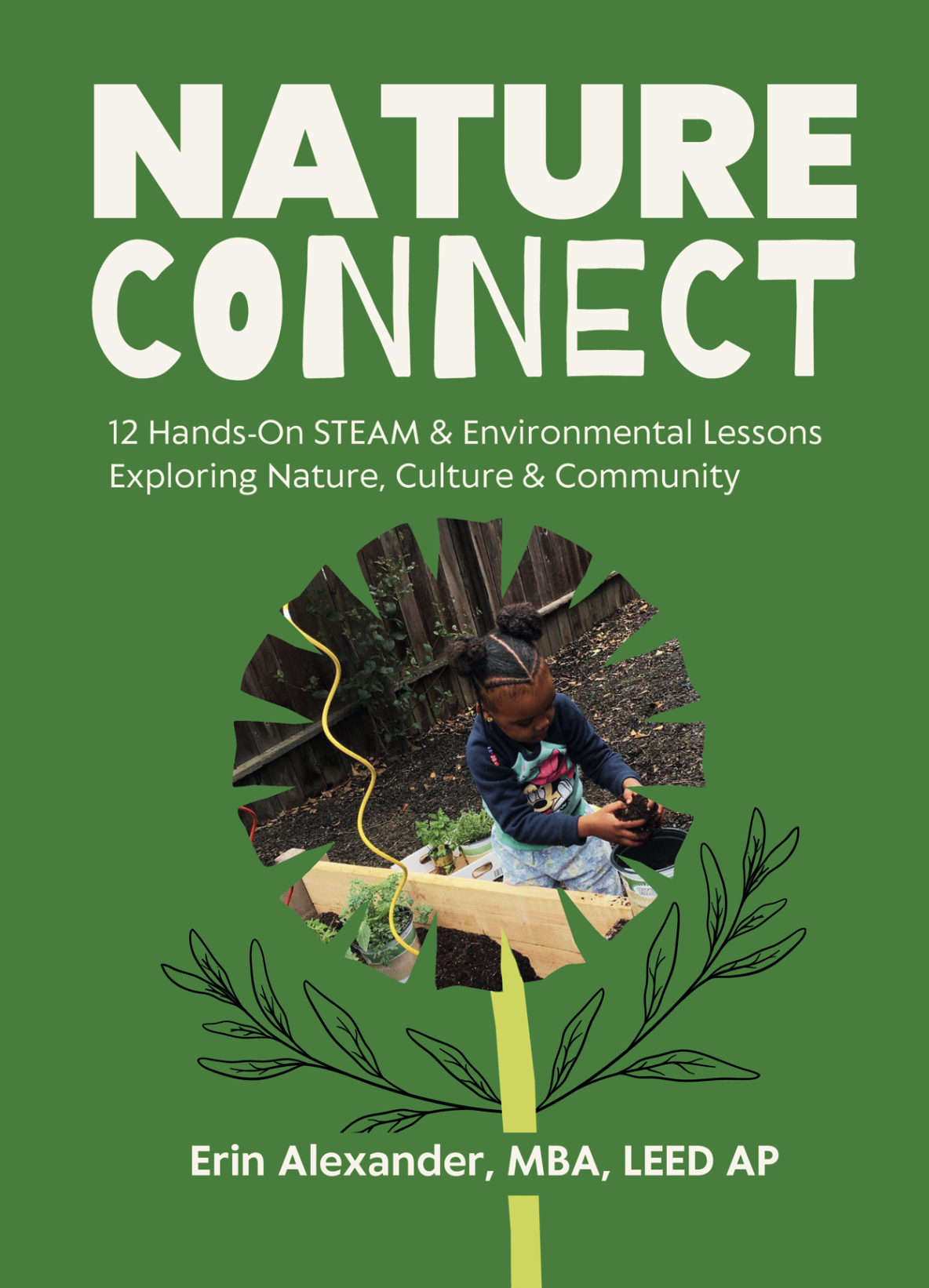



Nature Connect: 12 Hands-On STEAM & Environmental Lessons Exploring Nature, Culture & Community
Nurture curiosity, creativity, and care for the Earth through storytelling, science, and art rooted in Yoruba wisdom and local ecosystems.
Nature Connect is a year-long curriculum designed to help young learners and their families deepen their relationship with nature while honoring cultural knowledge systems. Grounded in Yoruba Itan (sacred stories), the curriculum blends traditional ecological wisdom with hands-on STEAM learning, artistic expression, and environmental stewardship practices that celebrate diverse ways of understanding and living in harmony with the natural world.
Through an integration of culture, art, and science, each lesson invites learners to explore the relationships between people, land, and spirit while developing practical skills in observation, creativity, and community care.
Inside you will find:
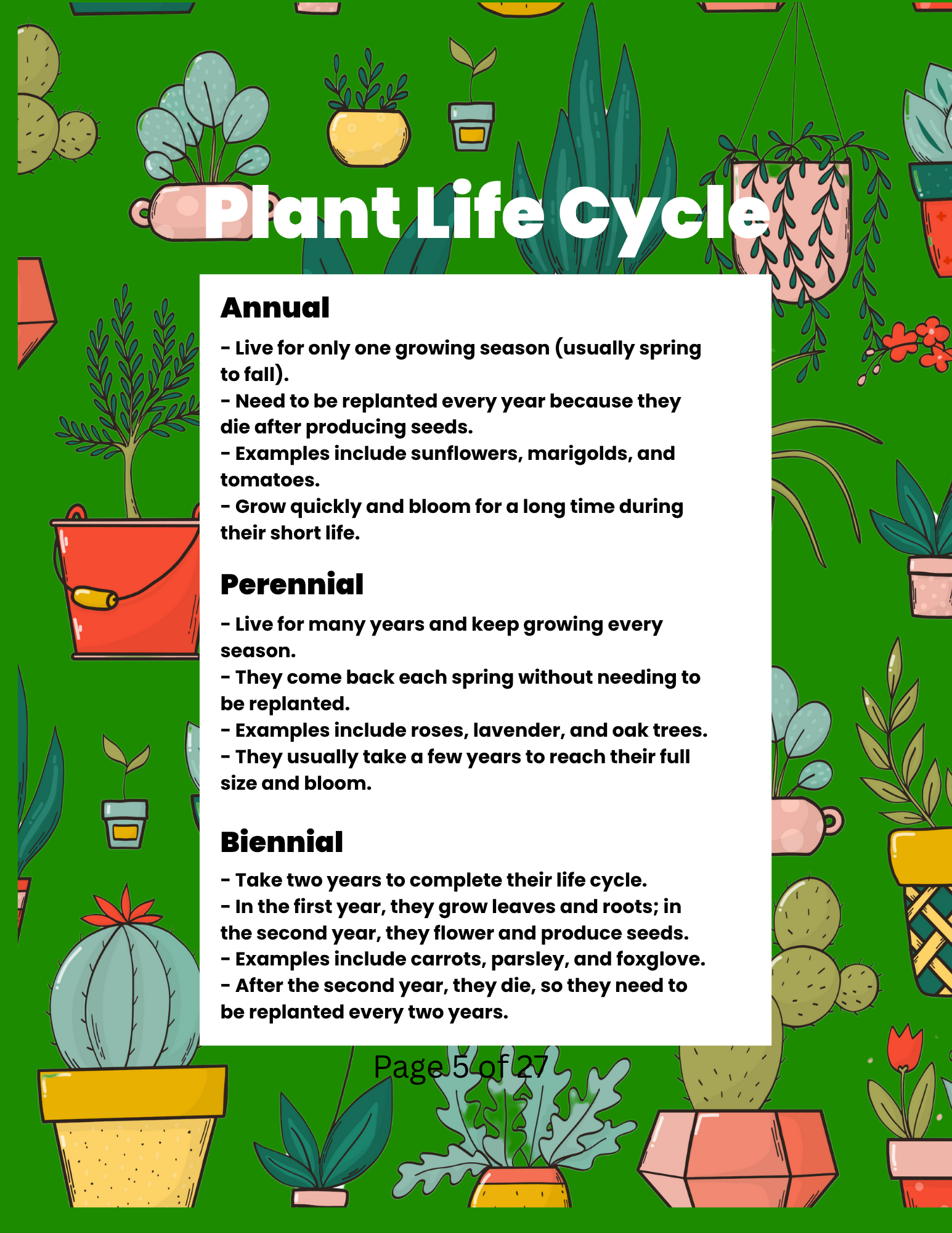
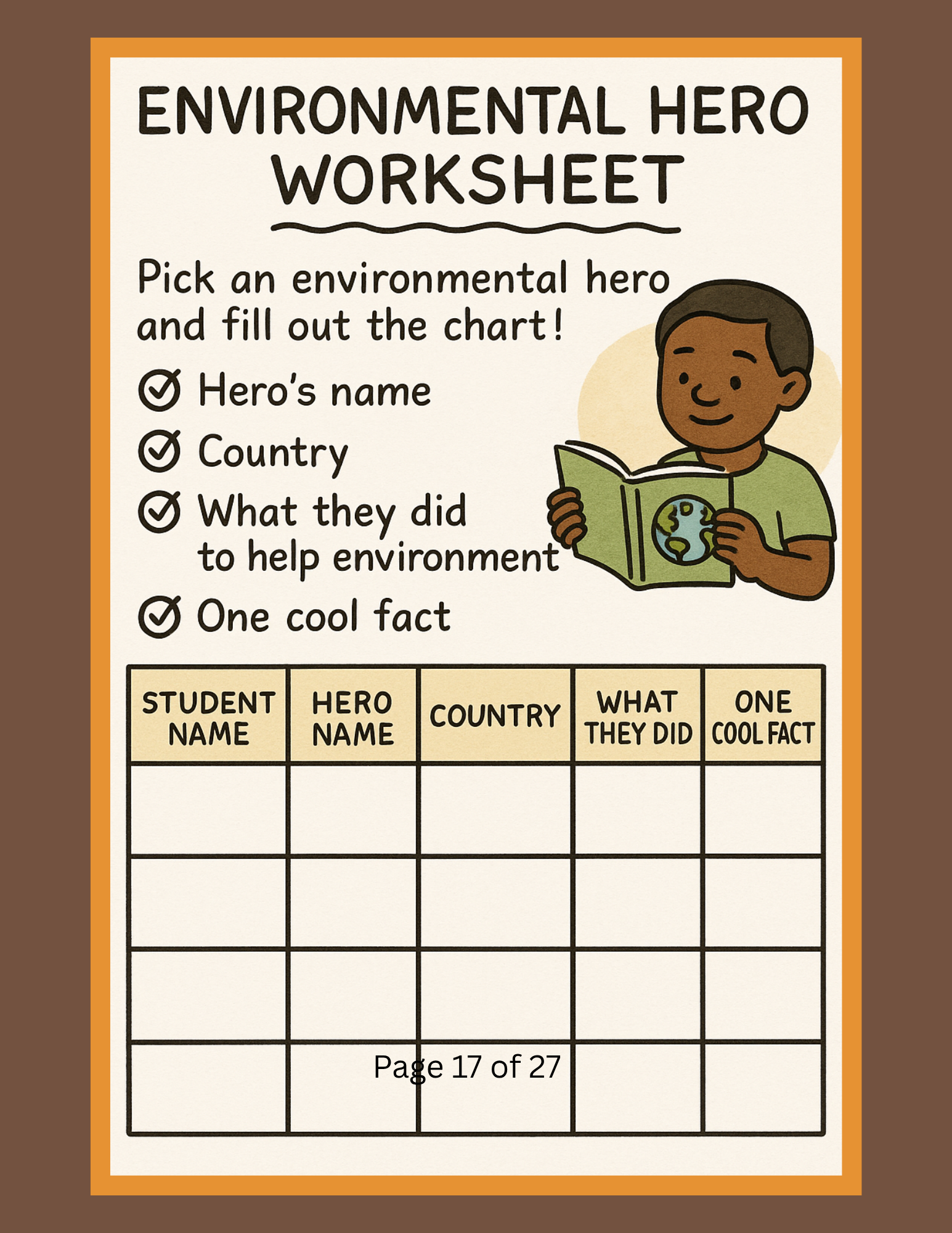
12 complete lesson plans with clear, step-by-step activities
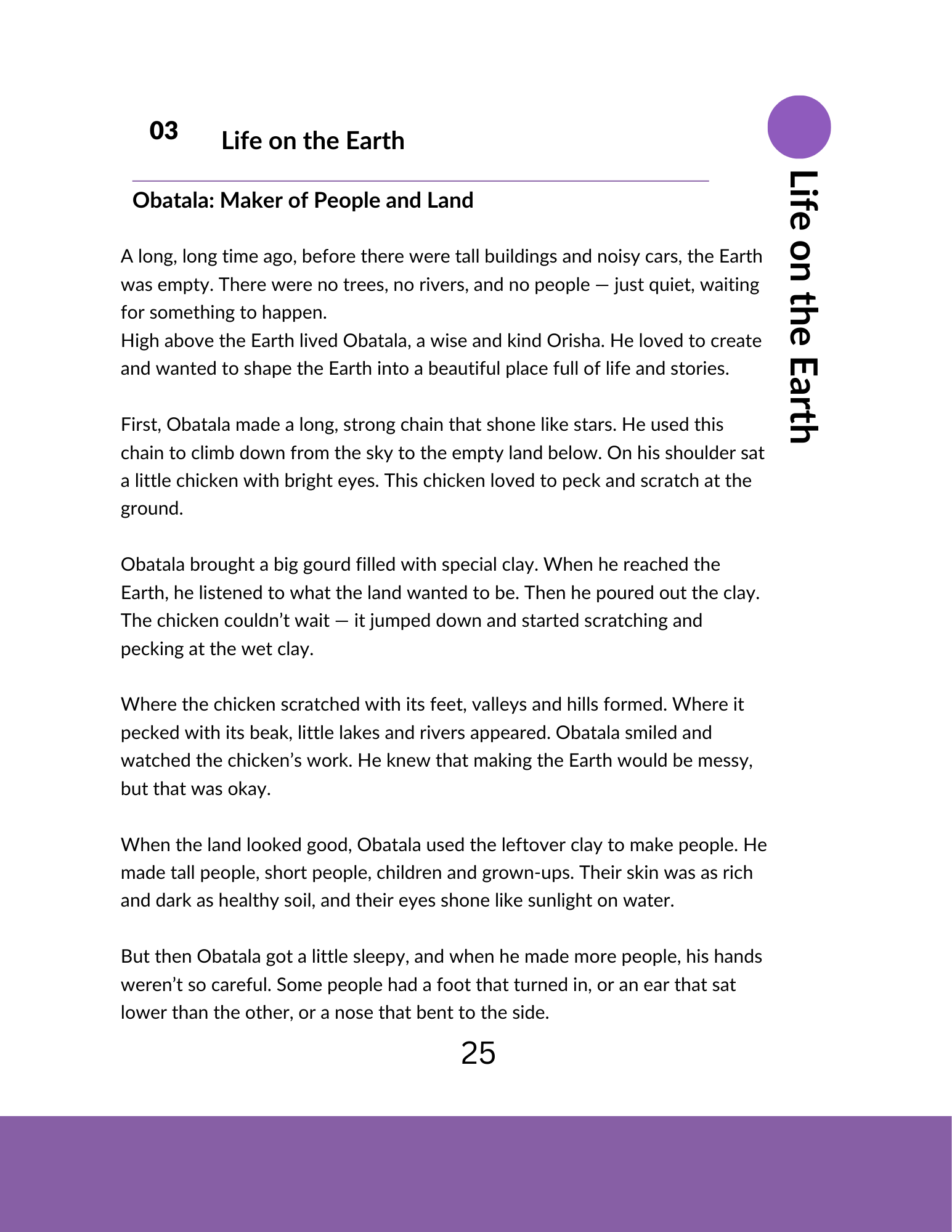
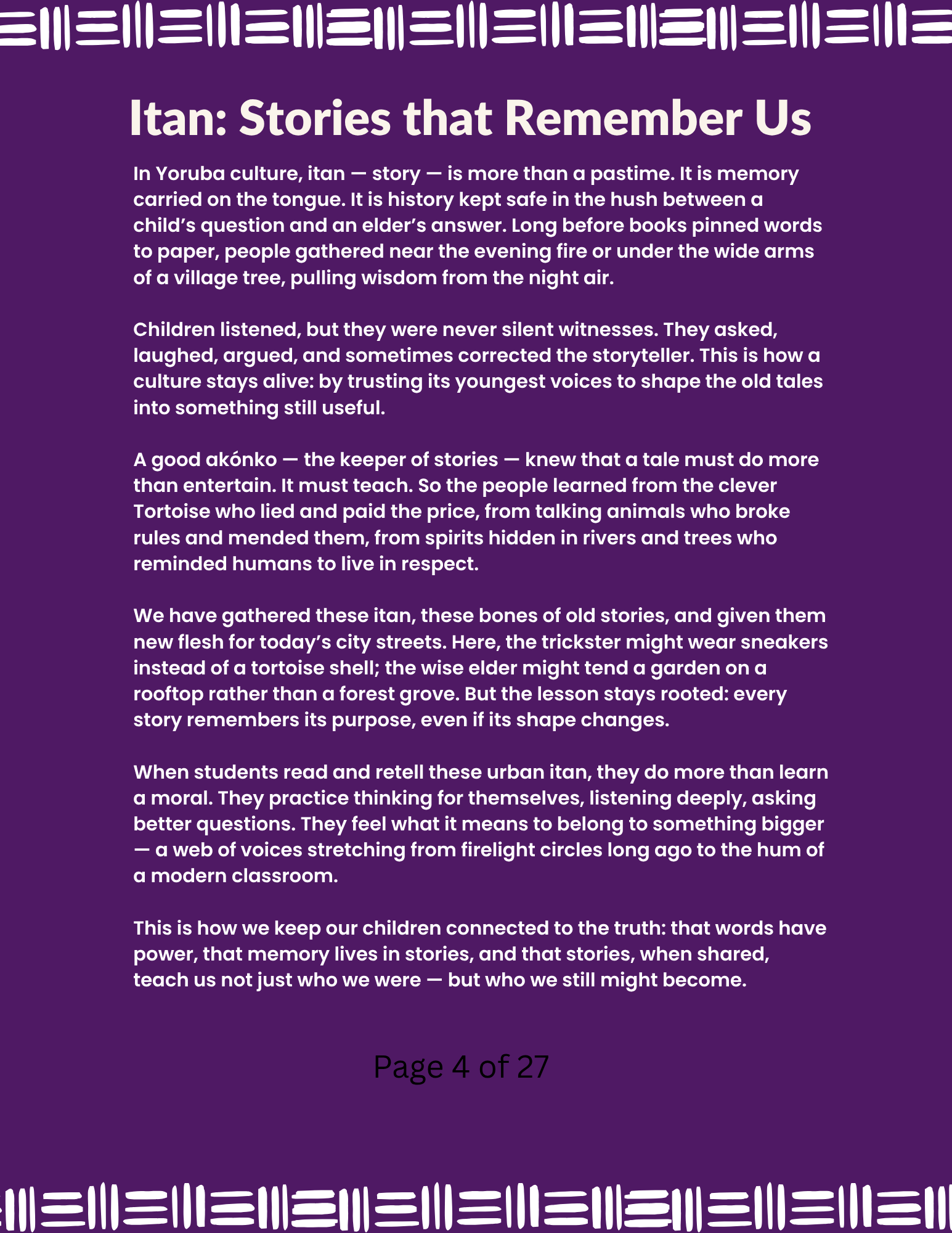
Yoruba Itan and reflection prompts that transmit cultural teachings and ecological values
Creative art projects using natural and recycled materials
Hands-on science experiments connecting traditional knowledge with environmental inquiry
STEAM-based explorations of nature, culture, and sustainability
Community-building practices that encourage care for local environments
Whether you are an educator, parent, or community leader, Nature Connect offers an engaging pathway to explore nature through cultural storytelling, artistic practice, and scientific discovery—inviting learners of all ages to create, reflect, and grow together.
Bulk Discounts Available. Inquire Within
I design community-centered environmental education and land stewardship programs that deepen understanding of local ecosystems, landscape function, and ecological processes. My work blends experiential learning, practical stewardship skills, and grounded engagement with the natural world, helping people build meaningful relationships with land and water.
I partner with educators, land managers, and community groups to create programs that are accessible, evidence-informed, and rooted in the ecological and cultural context of each place. Through collaborative planning, clear outcomes, and measurable progress, I help projects move from concept to action with strength and integrity.
Grounded in Human-Centered Design, my methodology places the needs, experiences, and wisdom of the people most connected to a place at the center of the process. This approach begins with listening—engaging communities, stakeholders, and knowledge holders to understand their relationships with land and water, their challenges, and their aspirations. Through observation, dialogue, and co-creation, programs are designed to reflect lived realities rather than imposed solutions.
Human-Centered Design in my work follows an iterative process of discovery, ideation, prototyping, and refinement. Solutions are tested in real contexts, feedback is continuously integrated, and programs evolve to ensure relevance, effectiveness, and long-term sustainability. By centering human experience alongside ecological knowledge, this approach strengthens stewardship practices, fosters community ownership, and supports meaningful, lasting environmental impact.
Cultural Ecological Statement
We are guided by a cultural–ecological ethic rooted in the understanding that land, water, and community are inseparable. We approach every project with the belief that healthy watersheds create healthy people — and that the most enduring solutions arise when communities, culture, and ecology move together.
Our work honors the following principles:
1. Land as Teacher
We recognize land and water as active systems that carry memory, wisdom, and direction. Each watershed has a distinct story shaped by geology, climate, hydrology, and culture. We design with respect for these narratives, not in spite of them.
2. Cultural Knowledge as Infrastructure
For generations, Indigenous, African Diasporic, and culturally rooted communities have stewarded land through observation, relational governance, and reciprocal care. Onilé Consulting centers this knowledge as a legitimate and essential form of environmental infrastructure.
3. Environmental Justice Is Non-Negotiable
Communities facing the greatest environmental burdens deserve the greatest environmental investment. Our work prioritizes neighborhoods most impacted by erosion, flooding, heat ( and the need for natural shading), pollution, and unsafe walking conditions. Equity is not a lens — it is the foundation.
4. Community-Led Design Creates Lasting Change
We believe that communities are experts in their own lived experience. Every project is grounded in listening, co-creation, and respect for local leadership. Grounded in Human Centered Design, solutions must reflect the cultural identity, and foundational knowledge of the people who live there. And the process of finding the community led solution is as important or more important than the actual solution.
5. Ecology, Hydrology, and Human Well-Being Are Interwoven
Streets, sidewalks, creeks, drainage patterns, tree canopy, and microclimate all shape how people move, gather, and flourish. Our approach unites these elements into integrated, climate-resilient systems that support mobility, health, and ecological function.
6. Design Should Heal — Not Harm
We practice regenerative design that restores balance, repairs damage, and strengthens future resilience. Our solutions seek to cool heat islands, slow stormwater, improve soil health, increase shade, and revitalize the natural infrastructures that support life.
7. Culture Makes Places Whole
We view place-making as cultural work. Whether expressed through art, narrative, spiritual ecology, or collective memory, culture is the organizing force that shapes belonging. Our designs reflect the identity and aspirations of the communities they serve.
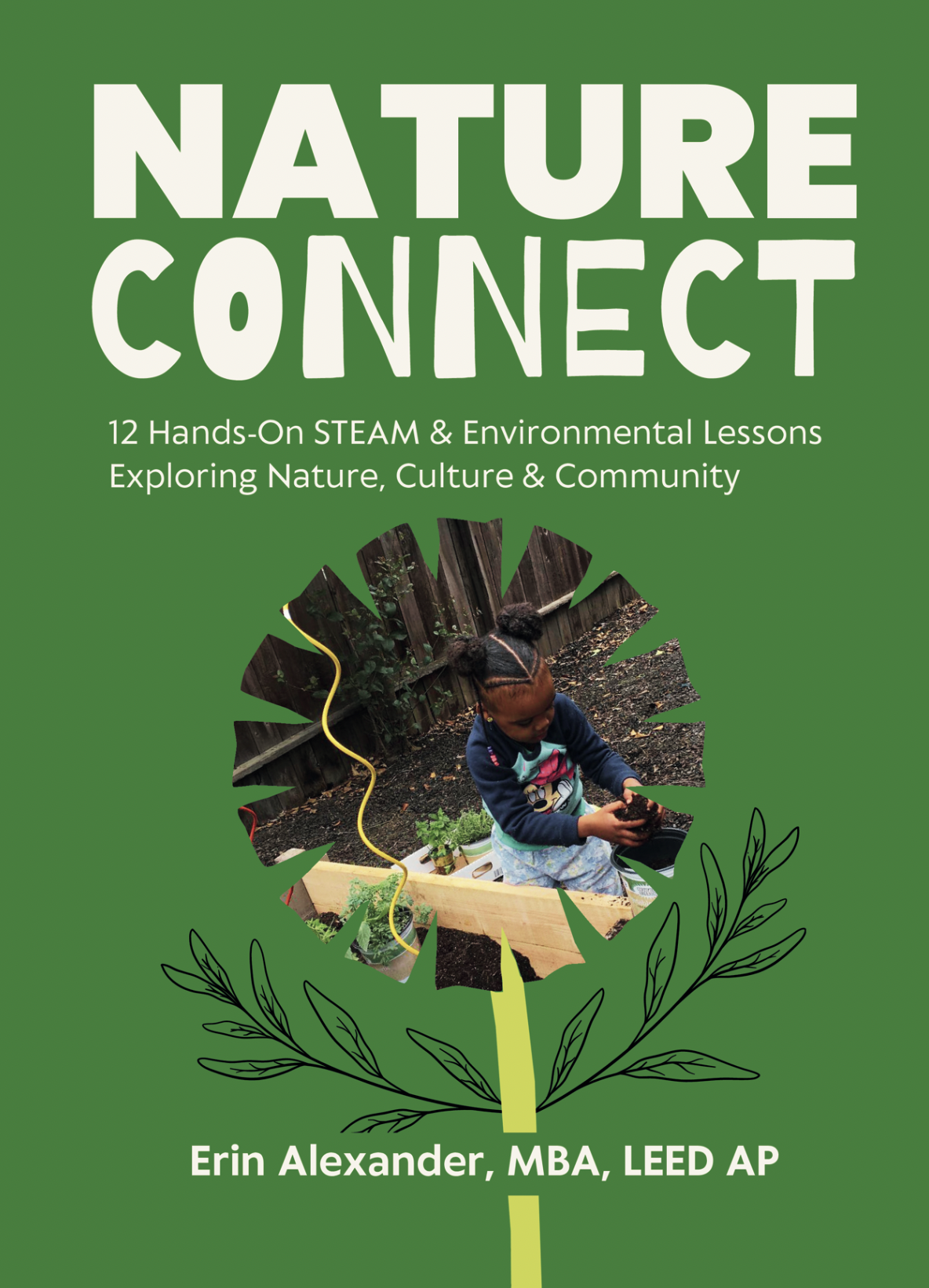
Nature Connect is a year-long curriculum designed to strengthen the relationship between young learners, their families, and the natural world. Rooted in both cultural wisdom and modern STEAM education, the program integrates storytelling, hands-on projects, and environmental stewardship to foster curiosity, creativity, and responsibility.
The curriculum includes:
12 comprehensive lesson plans with clear, step-by-step guidance
Arts-based learning using natural and recycled materials
Yoruba-inspired stories paired with critical reflection prompts
Accessible science experiments that bridge culture and ecology
Community-building activities that promote care for local environments
Developed for classrooms, after-school programs, and community learning spaces, Nature Connect equips educators, parents, and leaders with engaging tools to inspire the next generation of environmental stewards.
Bulk Discounts Available. Inquire Within.